
Background: On June 13, 2023, the Victorian Government announced the closure of the Malmsbury Youth Justice Centre, a facility that had been operating since [insert year]. The center had been home to a number of young offenders who required secure custody due to the nature of their offenses. The decision to shut down this facility stems from a growing recognition that traditional custodial approaches often fail to address the root causes of criminal behavior among young individuals. Instead, there is a growing consensus that a more holistic and community-oriented approach is needed to reduce reoffending rates and promote successful reintegration into society.
Implications: The closure of the Malmsbury Youth Justice Centre signals a paradigm shift in the treatment of juvenile offenders. It represents a departure from the punitive approach that emphasized confinement and isolation, towards a more rehabilitative model that prioritizes education, therapeutic interventions, and community engagement. This change in direction is aligned with the principles of restorative justice, which emphasizes repairing harm caused by the offense and promoting accountability while addressing the underlying factors that contribute to criminal behavior.
Challenges and Opportunities: The closure of the Malmsbury Youth Justice Centre poses several challenges that must be addressed to ensure a smooth transition and the successful implementation of alternative approaches to youth justice. One of the main challenges is the need for adequate resources and infrastructure to accommodate the changing needs of the juvenile justice system. The development of community-based programs, including day reporting centers, educational initiatives, and mental health support services, will be critical in diverting young offenders from a path of reoffending.
Additionally, there is a need for comprehensive training and professional development for staff members and professionals who work with young offenders. The shift towards a rehabilitative model requires a multidisciplinary approach, involving professionals from various fields such as psychology, social work, education, and counseling. Collaboration among these professionals is vital to address the complex needs of young offenders and provide them with the support necessary for their successful reintegration into society.
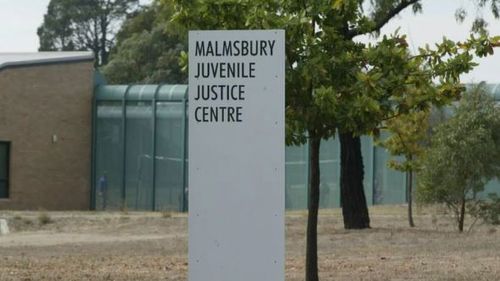
Conclusion: The closure of the Malmsbury Youth Justice Centre represents a transformative moment in the Australian juvenile justice system. It highlights the growing recognition that punitive measures alone are insufficient in addressing the underlying issues that lead young individuals to engage in criminal behavior. By embracing alternative approaches that prioritize rehabilitation, education, and community engagement, the closure of this facility opens up new possibilities for effective youth justice interventions. However, the successful implementation of these approaches will require concerted efforts, adequate resources, and a commitment to evidence-based practices. Only through a collaborative and comprehensive approach can we foster positive outcomes for young offenders and build a safer and more inclusive society for all.


0 Comments